BEST SEATS AT THE APOLLO THEATRE
The Apollo Theatre has four seating levels: Stalls, Dress Circle, Grand Circle and Balcony. It’s a beautiful but historic building, which means some of the upper levels involve a fair few stairs and slightly restricted sightlines in places, so it’s worth knowing what you’re booking before you buy.
STALLS
The Stalls are on ground level (with a platform stair lift for wheelchair access) and give you the closest, most immersive view of the stage. Rows further back under the Dress Circle overhang can lose a little of the top of the set, but for most shows this is where you’ll feel most part of the action.
DRESS CIRCLE
Up 12 stairs from street level, the Dress Circle offers a lovely, well-raked view of the whole stage and is often considered the sweet spot for value and sightlines at the Apollo. Front rows here are a brilliant choice.
GRAND CIRCLE
It’s a climb of 41 steps to reach the Grand Circle, but the view remains solid, particularly in the first few rows. Further back, the rake steepens and the stage can feel a little distant, so front rows are your best bet if you’re booking up here.
BALCONY
The Balcony is the top tier, reached via 80 steps, and it’s the cheapest way into the building. Legroom is snug and the view is steep, but if you’re on a budget it’s still a proper theatre experience at a fraction of the price.
HOW TO GET TO THE APOLLO THEATRE
The Apollo Theatre sits right on Shaftesbury Avenue in the heart of Theatreland. The nearest tube station is Piccadilly Circus (Piccadilly and Bakerloo lines), just a couple of minutes’ walk away. Leicester Square is also within easy walking distance if you fancy the scenic route past all the other theatre frontages.
ABOUT THE APOLLO THEATRE
The Apollo Theatre opened on 21st February 1901 with a production called The Belle of Bohemia, and it’s one of the most ornate of all the Shaftesbury Avenue theatres, designed by architect Lewin Sharp with a lavish baroque facade and two flanking towers. Laurence Olivier made an early impression here in Journey’s End in 1928, and the theatre has hosted everything from Boeing-Boeing to a long, much-loved run of Everybody’s Talking About Jamie between 2019 and 2021.
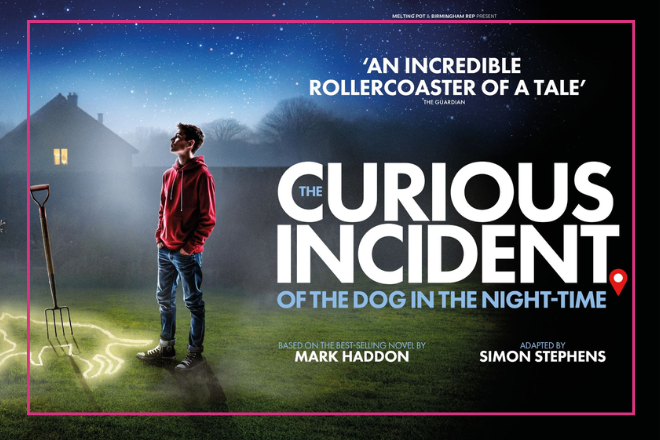
The Apollo is also, sadly, remembered for a serious incident on 19th December 2013, when part of the ornate plaster ceiling collapsed during a performance of The Curious Incident of the Dog in the Night-Time, injuring dozens of audience members. The theatre closed for urgent repairs and reopened in March 2014. It’s been owned and run by Nimax Theatres, the group founded by Nica Burns and Max Weitzenhoffer, since 2005.
FREQUENTLY ASKED QUESTIONS
HOW MANY SEATS DOES THE APOLLO THEATRE HAVE?
The Apollo Theatre has a capacity of 757 across its four levels: Stalls, Dress Circle, Grand Circle and Balcony.
WHEN DID THE APOLLO THEATRE OPEN?
The Apollo Theatre opened on 21st February 1901.
IS THE APOLLO THEATRE WHEELCHAIR ACCESSIBLE?
Yes. The Stalls level has a platform stair lift and wheelchair spaces (Q1 and Q22), and there’s an accessible unisex toilet and an infrared hearing system. The upper levels (Dress Circle, Grand Circle and Balcony) involve stairs, so it’s worth calling the box office ahead if accessibility is a concern.
Is the Apollo Theatre okay for vertigo sufferers?
This one’s worth thinking about if heights bother you: the Grand Circle is high up with a shallow rake except for rows E and F, which are raised enough that some visitors find them uncomfortable, and the Balcony above is higher again, with just a ledge in front of row A. There’s a sturdy double-height rail at the aisle ends, but if you’re at all prone to vertigo, the Stalls (especially the rear rows) are a much safer choice, and staff can help you pick a seat if you call ahead.
IS THERE A BAR AT THE APOLLO THEATRE?
Yes, there are bars on the Stalls, Grand Circle and Balcony levels.
WHAT IS THE NEAREST TUBE STATION TO THE APOLLO THEATRE?
Piccadilly Circus is the nearest tube station, just a couple of minutes’ walk away.
WHAT'S THE BEST SEATS AT THE APOLLO THEATRE?
The Stalls and front rows of the Dress Circle give the best combination of view and comfort. If you’re on a budget, the front of the Grand Circle is a solid choice.
IS THE APOLLO THEATRE THE SAME AS THE APOLLO VICTORIA THEATRE?
No, they’re two separate West End theatres. The Apollo Theatre is on Shaftesbury Avenue, while the Apollo Victoria is near Victoria Station and hosts big musicals like Wicked.
HOW DO I BOOK TICKETS FOR THE APOLLO THEATRE?
You can book tickets for shows at the Apollo Theatre directly through Nimax Theatres’ official website, or through official ticket agents. I’d always recommend booking through the theatre’s own site or a trusted official retailer to avoid inflated resale prices.
PREVIOUS SHOWS AT THE APOLLO THEATRE
RELATED NEWS